How to Reduce Anxiety Naturally: Simple Habits and Grounding Techniques
It’s common to feel anxious during major life shifts, big events, or even just from time to time for seemingly no reason. That feeling is your body’s natural stress response, a signal meant to keep you alert and protected.
Without the right coping skills, though, anxiety can start to feel hard to manage. This article covers how to reduce anxiety naturally so you can feel more in control.
What is anxiety?
Anxiety is a physical and emotional response to stress that can come with or without a trigger. It can stem from a combination of factors, from genetics to your environment.
Everyone experiences stress and worry from time to time. Putting yourself in uncomfortable situations can even be good for your personal growth. It’s important, though, to recognize the difference between positive discomfort and excessive anxiety.
When worrying becomes persistent and interferes with your day-to-day activities or relationships, it can be a sign of an anxiety disorder.
Symptoms
Anxiety is a spectrum. You can have symptoms without necessarily having a disorder. Common symptoms include:
Racing heart
Restlessness
Irritability
Sleep disturbance
An impending sense of doom
Muscle tension
If these symptoms are frequent, last for weeks, or get in the way of daily life, it’s worth talking to someone. No matter your symptoms, take them seriously.
Noticing your patterns
Anxiety can show up in many forms and for many reasons, and its symptoms can look like other issues. Trouble sleeping, for example, might be anxiety, but it could also be caffeine, a schedule change, or something else entirely.
If you aren’t sure what’s going on, a doctor can help. In the meantime, noticing your patterns lets you acknowledge the feeling, observe it, and respond intentionally.
The first step toward managing anxiety is understanding what it feels like. The second is learning how to respond in a way that brings your focus away from the fear and back to the present moment.
How to reduce anxiety naturally
Anxiety can’t always be switched off, but small, everyday habits can help your body and mind settle. Some work over time, like how you sleep, eat, and move. Others work in the moment, like a breathing technique or a grounding exercise. Try a few and notice which ones fit your life. These strategies can sit alongside professional support, but they don’t replace it.
Lifestyle strategies

Physical activity: Exercise burns off stress hormones and releases mood-boosting chemicals. Even a 10-minute walk counts.
Mindfulness and meditation: Paying attention to the present moment, even for a few minutes, can interrupt spiraling thoughts.
Journaling: Writing down what’s on your mind gets worries out of your head and onto the page, where they’re easier to sort through.
Sleep optimization: Anxiety and poor sleep feed each other. A consistent bedtime, a screen-free wind-down, and a cool, dark room can break the cycle.
Nature therapy: Time outdoors, whether a park, a trail, or a bench under a tree, can lower stress and help you reset.
Cold exposure: A cold shower can leave you feeling alert and calm, though research is still limited. Start gently, and check with a doctor first if you have a heart condition.
Social connection: Talking with people you trust reminds you that you’re not carrying everything alone.
Time management: Much anxiety comes from feeling behind. Breaking big tasks into small steps and writing down your priorities can make a workload feel manageable.
Creative expression: Making something gives your mind a different place to focus.
Art therapy: Drawing, painting, or crafting can help you process feelings that are hard to put into words. You don’t need artistic skill for it to work.
Dietary modifications
Caffeine limitations: Caffeine can mimic anxiety symptoms like a racing heart and jitters. Cutting back, especially in the afternoon, can make a noticeable difference.
Sugar management: Blood sugar crashes can feel a lot like anxiety. Pairing sweets with protein or fiber keeps your energy steadier.
Substance avoidance: Alcohol and nicotine may feel calming in the moment, but they often worsen anxiety and disrupt sleep afterward.
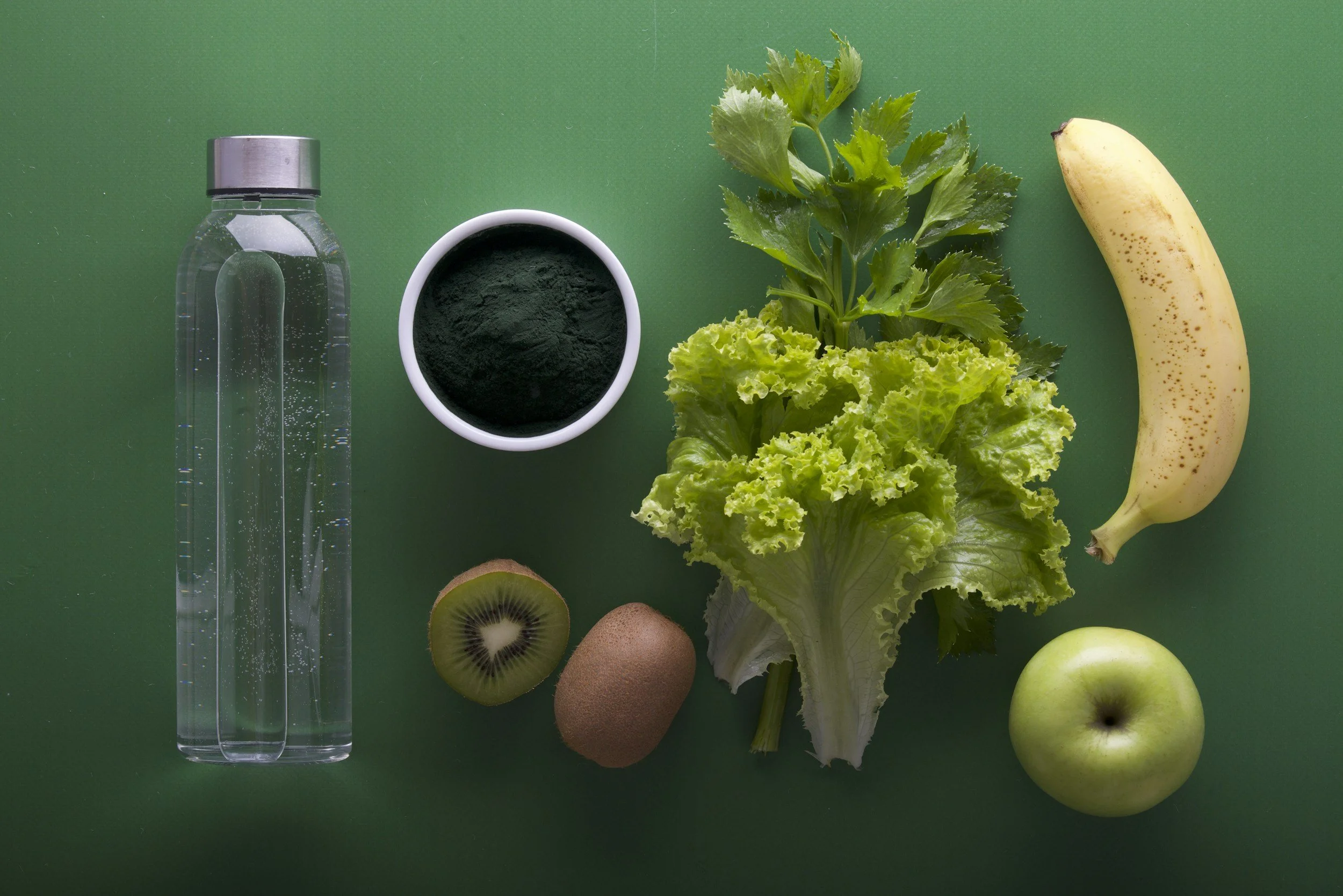
Nutrient-dense diet: Regular meals with whole grains, leafy greens, healthy fats, and protein support steady energy and mood.
Chamomile tea: The warm, slow ritual of a cup of tea can be calming on its own, and chamomile has mild relaxing properties. If you take blood thinners or other medications, check with your doctor first.
Physical grounding techniques
Touching textured objects: Focusing on how something feels, like a rough stone or soft fabric, pulls your attention out of your thoughts and into your senses.
Walking barefoot: Feeling the ground beneath you, whether grass or a cool floor, can anchor you in the present.
Cold water on the face: Splashing cold water on your face or holding a cold, wet cloth against it can slow your heart rate and ease a spike of panic.
Clenching and releasing: Tensing a muscle group for a few seconds, then letting go, teaches your body the difference between tense and relaxed.
Box breathing: Inhale for four counts, hold for four, exhale for four, hold for four. Repeat until your breathing slows.
5-4-3-2-1 method: Name five things you see, four you feel, three you hear, two you smell, and one you taste. It’s a quick way to come back to the present.
Treatment
Beyond natural anxiety relief, there are many resources and options for treatment. Mental health professionals often prefer cognitive behavioral therapy for anxiety management. This is talk therapy that can be done online or in person.
There are also many medications that can help relieve severe anxiety and stress. Talk to your doctor if you would like to pursue this option.
A combination of talk therapy, medication, and natural self-care can be highly beneficial and help decrease severe anxiety symptoms.
Final Thoughts
Feeling in control of your anxiety doesn’t happen all at once. It’s built through small, repeated choices: a walk, a glass of water, a slow breath. You don’t have to try everything on this list. Pick one strategy to try this week, notice how your body responds, and build from there. And remember that reaching out for support is a strength, not a last resort.
